Environmental sustainability
We operate in a vehicle-intensive industry, where machines, vehicles and smaller equipment are needed to move between locations and perform our core services. Therefore producing maintenance services creates considerable amounts of emissions and waste — and an opportunity to decrease them through electrification, digital tools and AI, smart resource planning and waste management. Due to the important role of reducing our carbon footprint, the ESRS E1 standard was deemed material in our double materiality assesment. In addition, we have an important role in advancing themes like biodiversity and resource use.
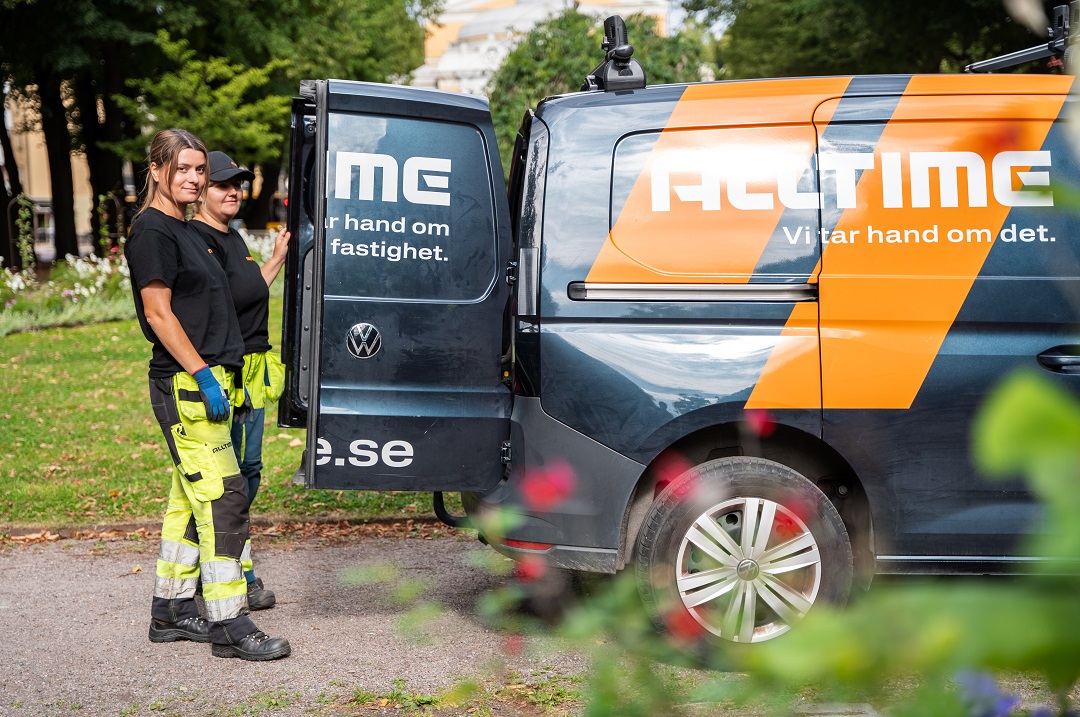
Learn more about our environmental topics
Environmental sustainability KPIs
We track several Group-level KPIs related to our environmental sustainability development. In addition to absolute CO2 emissions, we follow emission intensity, which given the rapid growth of our operations gives a more balanced picture of our development. We also aim to continuously improve resource use and recyclability, reducing the amount of our non-recyclable waste.
Scope 1-3 emissions (2025)
Emission intensity per 1M€ net sales (2025)
Non-recyclable waste (2025)
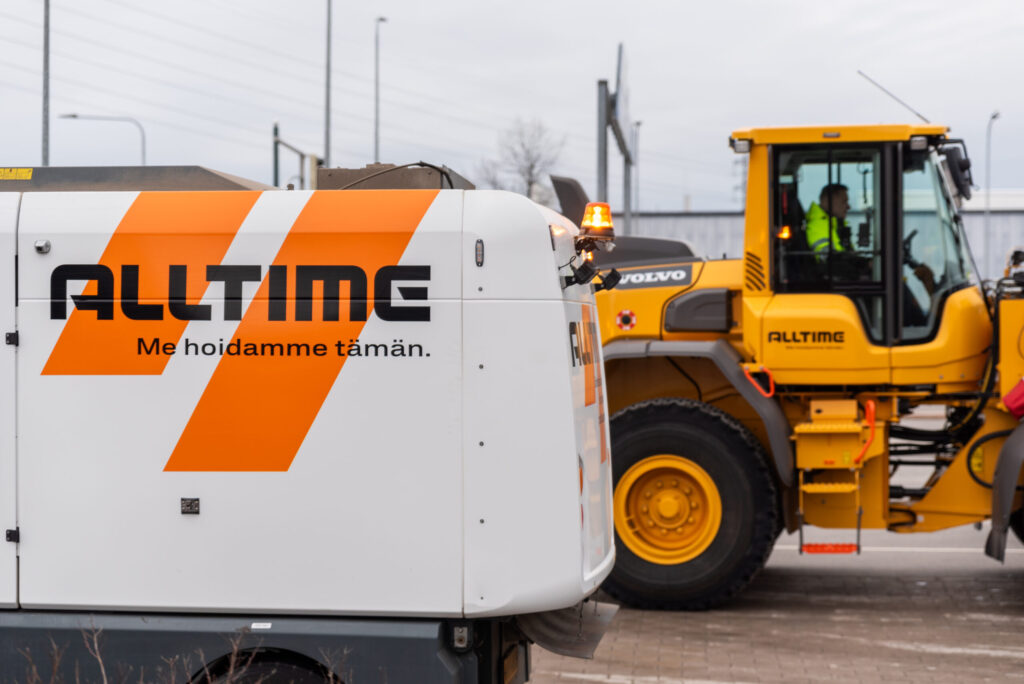
Our carbon footprint
Most of our carbon footprint comes from producing the services we offer, which require vehicles and machines. Especially our infrastructure maintenance business uses heavy machinery, such as graders, plows and wheel-loaders. These vehicle-related emissions occur in both our own operations (Scope 1) and work performed by subcontractors’ (Scope 3). In 2025, we reported the following categories according to GHG protocol principles:
Scope 1: tank-to-wheel fuel emissions from own operations
Scope 2: indirect greenhouse gas emissions caused by the generation of purchased energy
Scope 3
- Purchased goods and services
- Upstream transportation and distribution
- Business travel
- Employee commuting
- Fuel and energy-related activities (not included in Scope 1 or Scope 2)
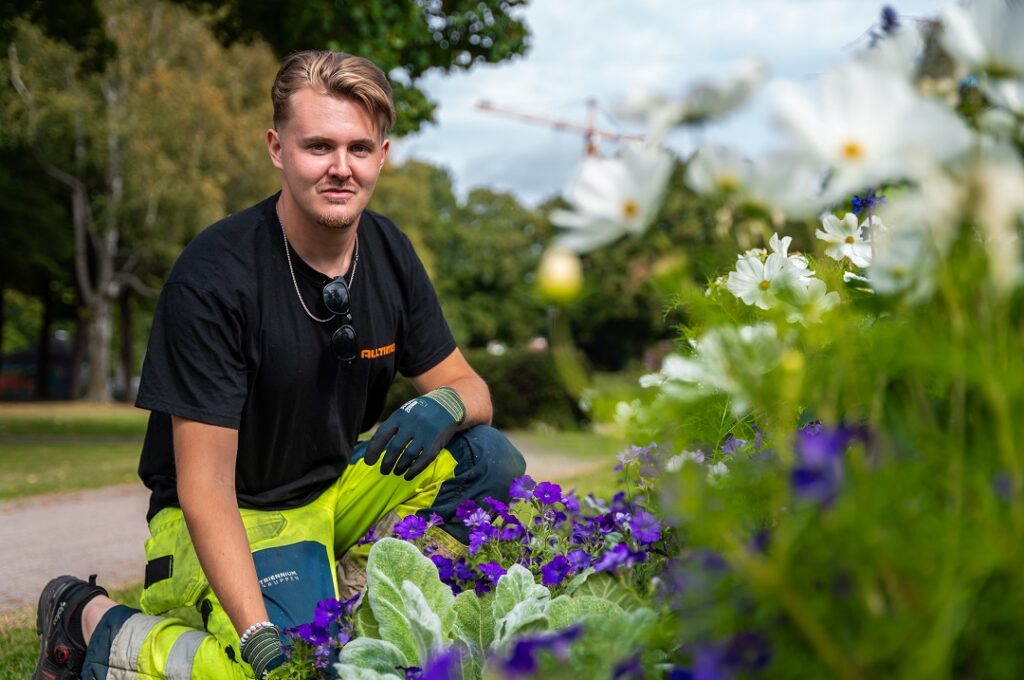
Advancing biodiversity
Did you know that properties have significant untapped potential in supporting biodiversity, while improving their carbon handprint? As an example, through our landscaping and green space maintenance services, we help customers turn monoculture grass lawns into blossoming meadows. These provide habitats for native species, food for pollinators and capture more carbon compared to lawns.
Some customers might opt for removal of invasive species, or maintaining their existing green spaces without pesticides or fertilisers. Even small details can matter when it comes to preserving biodiversity and microhabitats in our services, including the timing of maintenance actions and work methods used. Alltime Finland was awarded in late 2025 in Helsinki Convention Centre’s sustainability competition for the positive impact of its landscaping services.
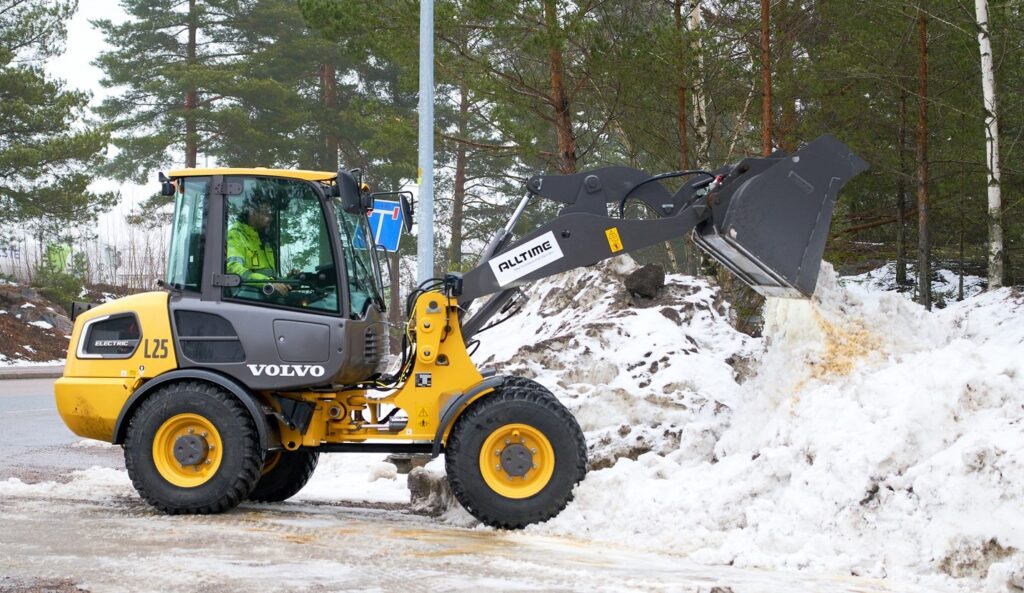
Taking steps in electrification
Since our vehicle fleet is the most significant contributor to our carbon footprint, it is also the area where we have most potential to make a positive impact. We have started to electrify our vehicle fleet, of which 4% is now fully electric or hybrid. Electrification will continue during the coming years as part of our fleet renewal planning.
We want to be among the early adopters in electrifying heavy-duty machinery, where electric power sources are not yet an equally operationally efficient option. We have for example piloted the operational use of a fully electric wheel loader in infrastructure maintenance and have a fully electric property maintenance team operating in the Helsinki region. Our Swedish operations is also transitioning to fully electric work handheld equipment.
Contact us
Read more about our service offering on our country sites or contact local experts.